
"coffee nursery"
800 article(s) found

The life journey of coffee trees, from the planting of coffee trees to the harvest of coffee beans
(1) the seedling stage is the period from the germination of seeds (or cuttings or grafting) to the emergence of seedlings (the stage of raising seedlings in the nursery), about 0.5-1.5 years. After the coffee seeds were sown, the cotyledons began to be unearthed after a period of germination, which took about 30-100 days, and the length of time was closely related to temperature and humidity. Cotyledons must be removed after germination

What is the current situation in Uganda? Uganda's national coffee law has become law, and exports have skyrocketed.
President of Uganda signs National Coffee Act 2021 as law on 15 September, Ugandan local media ChimpReports reported that Ugandan President Yoweri Kagutamouseveni (Yoweri Kaguta Museveni) signed the bill into law on August 13, 2021, and the bill was gazetted under Supplementary Act No. 17 on September 13, 2021. Coffee development in Uganda

Introduction of Yemeni coffee
Yemeni coffee originated from Arabian coffee trees hundreds of years ago, all of which are produced in areas above 3000 feet above sea level. For hundreds of years, the unique planting and production methods of Yemeni coffee have remained almost unchanged. The seedlings of Yemeni coffee trees are first cultivated in nurseries and then transplanted to high elevations. Pesticides and fertilizers are not used in the breeding process. Mature coffee beans are naturally dried on coffee trees and shelled by stone mill.

Development trend of Native Coffee varieties in China
Recently, some friends have been discussing the issue of coffee varieties with me. In fact, I pay more attention to the introduction of improved varieties than anyone else, because I am the official who manages coffee in the coffee growing area, and I have been tracking and studying the improved varieties of coffee. However, the introduction of improved varieties also faces some difficulties and opinions:

Coffee knowledge: the Environmental cycle process of Natural conditions for Coffee growth
Professional coffee knowledge exchange more coffee bean information please pay attention to the coffee workshop (Wechat official account cafe_style) Coffee planting conditions temperature between 1500mm and 25mm climate, and the annual rainfall must reach 1500mm to 2000mm at the same time, to be able to match the flowering cycle of coffee trees, of course, in addition to the seasonal rainfall, there is also fertile soil.

Best of Panama 2013 Runner-up: Janson's Coffee Panama
Professional barista communication, please pay attention to coffee workshop (Weixin Official Accounts cafe_style ) Panama is the most advanced coffee producing area I have been to, the price is also a higher one, many famous manors can drive RV directly. Earlier in the morning for Metro Daily, I took you to find the best coffee beans in the world Geisha! Panama is located in Central America because it connects North and South America.

Coffee beans from Panama, Panama
Professional coffee knowledge exchange More coffee bean information Please pay attention to coffee workshop (Weixin Official Accounts cafe_style) Front Street Elida Manor Rose Summer Introduction Elida Manor belongs to the owner Wiframos, this estate planted three varieties, including Tipica, Rose Summer, Catalonia, nursery area to cultivate seedlings of these species. It's a beautiful ride to the manor, 1,700 meters.

Introduction to Honey treatment of Coffee Raw beans in Alida Elida Manor, Panama
Professional coffee knowledge exchange more coffee bean information please follow the coffee workshop (Wechat official account cafe_style) Panama Alida Elida Manor Honey treatment Coffee raw beans introduction Elida Manor is high above sea level, some even located in the Panamanian National Park Reserve, along the way beautiful scenery, good air, rugged mountains, walking like a forest bath; the administrative district of Elida Manor is Bou

La Minita Flower God, La Tisa Manor, Farahan Plateau, Guatemala
To really understand the flavor changes and product differences of coffee beans is to understand the production place and growers, different manors with different flavors, or different flavors on different hills of the same manor, and the story behind each coffee bean is what the fragrance wants to know. It can be traced back to which plot of the estate where the beans came from, or which cooperative or which farmer, chasing the flavor of the region. To

Introduction to the Variety characteristics of the Flavor description of Brazilian Coffee grown in Manor
Brazilian coffee planting manor regional flavor description taste treatment variety characteristics coffee yield is related to the species and growing environment of coffee trees. A coffee tree can produce an average of 5 pounds of coffee fruit a year. The coffee tree can eventually harvest about 1 pound of dried coffee beans, which is usually bred in a nursery and grows into seedlings, and then moved to the coffee garden a year later, in full compliance with the original Arabs.

Introduction to the characteristics of grinding scale of Yemeni boutique coffee bean flavor description
Yemeni coffee originated from Arabian coffee trees hundreds of years ago, all of which are produced in areas above 3000 feet above sea level. For hundreds of years, the unique planting and production methods of Yemeni coffee have remained almost unchanged. The seedlings of Yemeni coffee trees are first cultivated in nurseries and then transplanted to high elevations. Pesticides and fertilizers are not used in the breeding process. Mature coffee beans are naturally dried on coffee trees and shelled by stone mill.

Selection and purchase of Coffee utensils: the Choice of hand washing
Professional barista communication please follow the coffee workshop (Wechat official account cafe_style) I am a teapot fat and short. A nursery rhyme outlines the traditional shape of the teapot. The pot in a boutique coffee shop is not a vessel used to hold coffee, but an important tool for hand extraction. With the popularity of the third wave, the public's awareness and requirements of the original flavor have increased. In fact, any coffee, bag

Yemeni coffee variety, Yemeni coffee flavor
Following caf é (Wechat official account vdailycom) found that Yemeni Coffee has opened a small shop of its own. Yemeni Coffee originated from Arabian coffee trees hundreds of years ago, all grown in areas above 3000 feet above sea level. The unique planting and production methods of Yemeni coffee have remained almost unchanged for hundreds of years. The seedlings of coffee trees are first cultivated in the nursery and then transplanted to high elevations, not in the breeding process.

The production of coffee beans with basic knowledge of fine coffee
Coffee trees take 3-5 years from planting to fruiting. 6-10 years of coffee trees are the most likely to bear fruit, about 15-20 years, is the harvest period. Coffee trees are usually bred in nurseries and grow into saplings, and then moved to coffee farms a year later, in full compliance with the way the Arabs planted and cultivated coffee trees. Coffee trees will continue to take root downward and upward in the first four or five years of their growth.

A little knowledge about coffee trees how coffee trees grow and grow their own coffee trees.
Professional coffee knowledge exchange more coffee bean information Please follow the coffee workshop (Wechat official account cafe_style) there are more than 6000 species of coffee trees, most of which are tropical trees and shrubs. There are four main coffee trees in the world, of which only two are of real commercial value and are planted in large quantities, and the quality of the coffee beans is also better than that of other coffee trees.
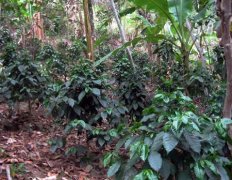
Production of coffee beans coffee output
Coffee trees take 3-5 years from planting to fruiting. 6-10 years of coffee trees are the most likely to bear fruit, about 15-20 years, is the harvest period. Coffee trees are usually bred in nurseries and grow into saplings, and then moved to coffee farms a year later, in full compliance with the way the Arabs planted and cultivated coffee trees. Coffee trees will continue to take root downward and upward in the first four or five years of their growth.

There are chocolate color, grain type, complete Yemeni coffee flavor, characteristics, taste and manor
Yemeni coffee originated from Arabian coffee trees hundreds of years ago, all produced in areas above 3000 feet above sea level. For hundreds of years, the unique planting and production methods of Yemeni coffee have remained almost unchanged. The seedlings of Yemeni coffee trees are first cultivated in nurseries and then transplanted to high elevations. Pesticides and fertilizers are not used in the breeding process. Mature coffee beans are naturally dried on coffee trees and shelled by stone grinding.
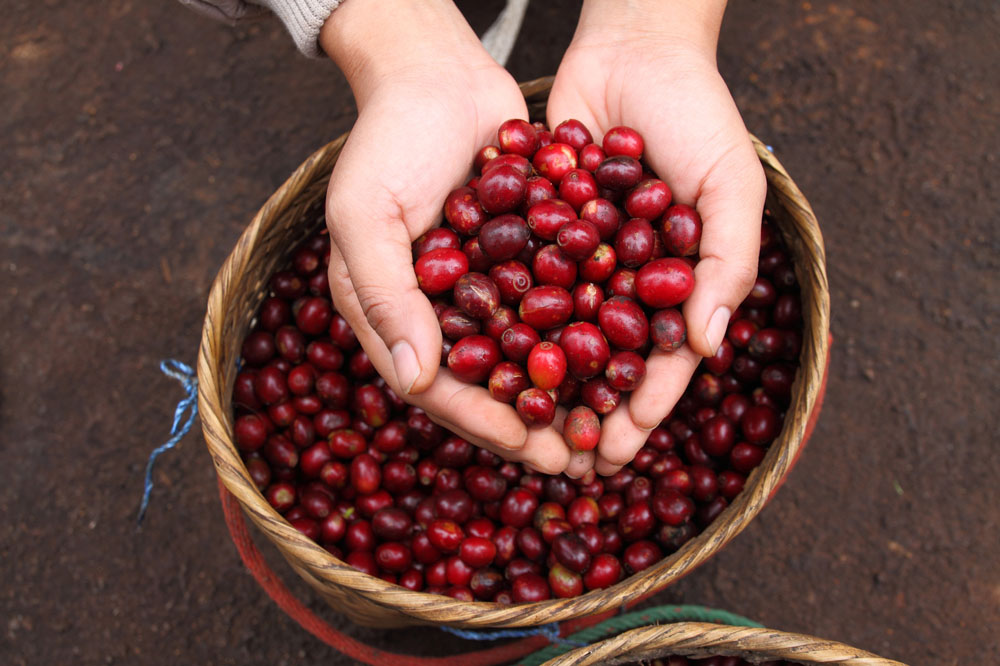
Chocolate color, grain type, complete Yemeni coffee flavor, character, taste and manor
Yemeni coffee is derived from hundreds of years old arabica coffee trees, all grown at altitudes above 3000 feet. For hundreds of years, the cultivation and production methods specific to Yemeni coffee have remained almost unchanged. Coffee seedlings are first cultivated in nurseries and then transplanted to high altitudes. No pesticides or fertilizers are used in the cultivation process. After maturity, coffee beans are naturally dried on coffee trees and shelled by stone mills.

Flavor Unique Grain Type Complete Yemeni Coffee Flavor, Character, Taste and Manor
Yemeni coffee is derived from hundreds of years old arabica coffee trees, all grown at altitudes above 3000 feet. For hundreds of years, the cultivation and production methods specific to Yemeni coffee have remained almost unchanged. Coffee seedlings are first cultivated in nurseries and then transplanted to high altitudes. No pesticides or fertilizers are used in the cultivation process. After maturity, coffee beans are naturally dried on coffee trees and shelled by stone mills.

What are the famous manors in Guatemala? Visit Guatemala producing areas and manors and eight major producing areas
To really understand the flavor changes and product differences of coffee beans is to understand the production place and growers, different manors with different flavors, or different flavors on different hills of the same manor, and the story behind each coffee bean is what the fragrance wants to know. It can be traced back to which plot of the estate where the beans came from, or which cooperative or which farmer, chasing the flavor of the region. To